

The Allure of Gambling: Understanding the Initial Attraction
The initial attraction to casino gambling often stems from various psychological factors that draw individuals into this captivating environment. The vibrant neon lights, the sounds of spinning reels, and the thrill of chance create an intoxicating atmosphere that can be hard to resist. For many, gambling represents an escape from the mundane aspects of daily life, offering a sense of adventure and excitement. This allure is amplified by the promise of potential winnings, which can create a strong emotional pull for individuals seeking not just financial gain, but also the exhilaration that comes with taking risks, especially when playing at the best online casino where the excitement never ends.
Moreover, social influences play a significant role in attracting individuals to casinos. Many people associate gambling with social gatherings, celebrations, and entertainment. The excitement of being around others who share the same thrill can reinforce the desire to participate. Friends or family members who enjoy gambling can further entice individuals to join them, creating a shared experience that strengthens the emotional connection to gambling. This social aspect serves to make casino gambling more appealing as it fosters a sense of belonging and community, often making the experience more enjoyable and engaging.
Another psychological component contributing to the attraction of gambling is the concept of variable rewards. The unpredictability of wins can trigger a psychological response similar to that of addiction. The brain releases dopamine, a feel-good neurotransmitter, when individuals win, reinforcing the behavior and encouraging them to gamble more. This reward system is at the heart of many gambling experiences, making it difficult for individuals to resist returning to the casino for that next potential win, no matter how fleeting it may be. The cycle of risk and reward captivates players, drawing them back into the world of gambling time and again.
Cognitive Biases in Gambling: How Perception Distorts Reality
Cognitive biases significantly impact decision-making in gambling, often leading players to overestimate their chances of winning. One common bias is the ‘gambler’s fallacy,’ where individuals believe that past outcomes influence future results. For example, a player might think that because a particular slot machine hasn’t paid out recently, it is “due” for a win. This misconception can lead to continued gambling despite losing, as players cling to the hope that luck will soon turn in their favor. Such thinking can create a false sense of security, ultimately leading to greater financial losses.
Another cognitive distortion is the illusion of control, where gamblers mistakenly believe they can influence or predict random events. This belief is frequently evident in games such as poker, where players may think that their skills can manipulate outcomes. Such thinking can create an overconfidence that often leads to larger bets and increased losses. These cognitive biases can significantly skew a player’s perception of risk and reward, making it challenging to engage in rational decision-making, thus perpetuating a cycle of gambling behavior that can be hard to break.
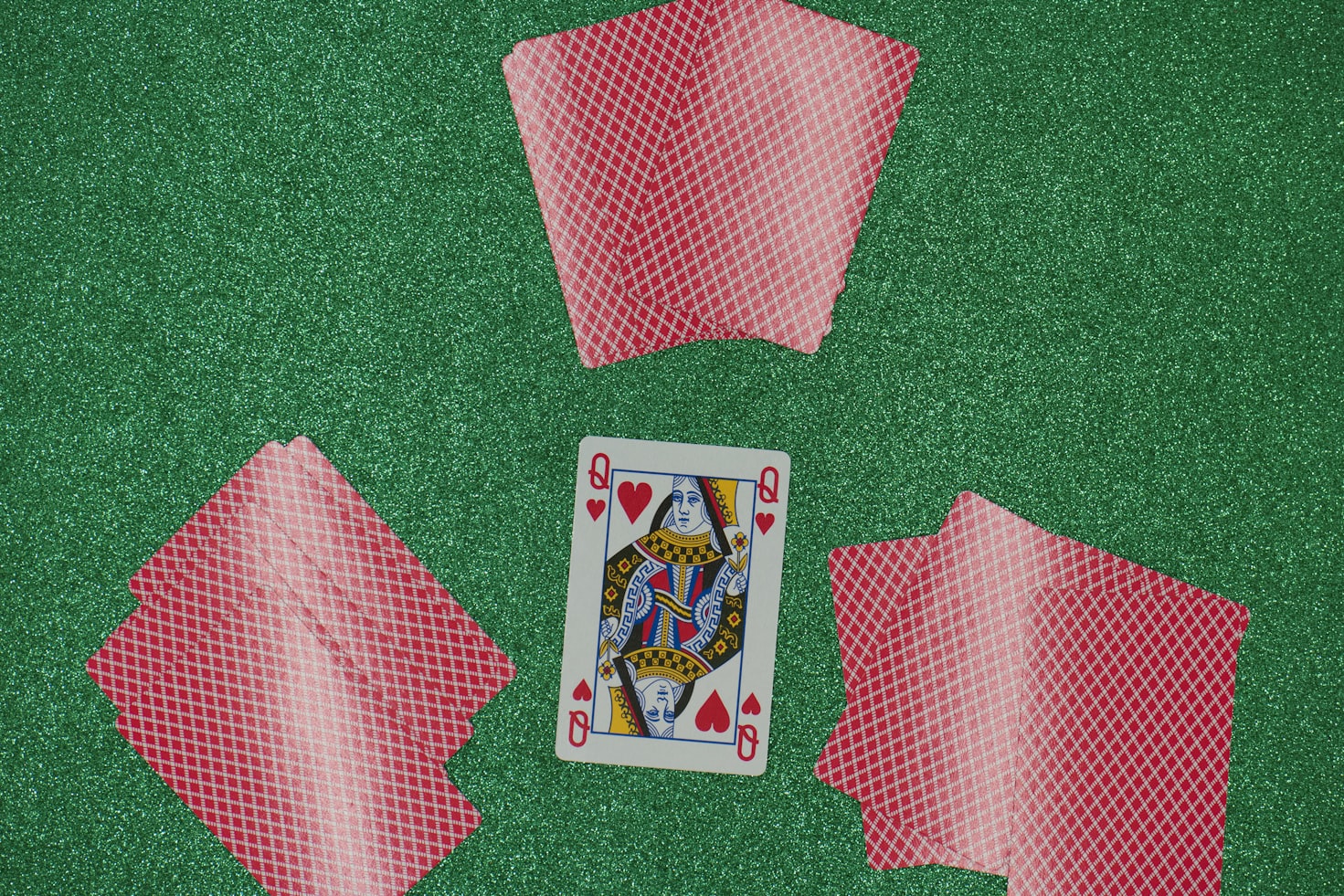
The framing effect can also play a role in gambling behavior. How a gambling scenario is presented can alter a player’s perception of risk and reward. For instance, a player may be more inclined to gamble when presented with a promotional offer that emphasizes potential gains rather than losses. This manipulation of information can lead individuals to make decisions based on emotions rather than logic, further contributing to the complexity of gambling psychology and behavior. The framing of information often plays a critical role in how players assess their chances and the potential outcomes of their actions.
The Role of Emotions in Gambling Decisions
Emotions play a crucial role in the decision-making process associated with gambling. The thrill of winning can elicit intense feelings of joy and euphoria, while losses can lead to frustration, regret, or anger. This emotional rollercoaster can create a skewed perspective on gambling, where the highs are celebrated, and the lows are dismissed or downplayed. Such emotional responses can impact a player’s ability to make rational decisions, as they may chase losses in an attempt to experience the same euphoria derived from a win. This cycle can lead to increasingly risky behaviors that exacerbate the initial problem.
Furthermore, many gamblers use gambling as a coping mechanism for various emotional or psychological issues. For some, the excitement of gambling serves as a distraction from stress, anxiety, or depression. This escapism can lead individuals to gamble more than they typically would, believing that the adrenaline rush will alleviate their emotional distress. Unfortunately, this behavior can spiral into a cycle of dependence, where individuals rely on gambling to escape their problems, leading to increased financial and emotional turmoil. The temporary relief gained from gambling can mask deeper issues that require attention.
Additionally, the social dynamics of gambling can amplify emotional experiences. Celebrating wins with friends or family can enhance feelings of joy and camaraderie, whereas losing can result in shame or embarrassment, especially in social situations. The public nature of many gambling environments can lead to increased emotional intensity, as individuals may feel pressure to perform or behave in a certain way. This combination of individual and social emotional experiences adds another layer to the psychology of gambling, influencing not only how individuals approach gambling but also how they cope with its outcomes and the social perceptions surrounding their behavior.
Addiction and Recovery: The Consequences of Problem Gambling
The potential for addiction is one of the most significant psychological risks associated with casino gambling. Problem gambling, also known as compulsive gambling, occurs when an individual cannot control their gambling behavior, leading to severe consequences in their personal and professional lives. This addiction often evolves gradually, initially characterized by a sense of excitement and thrill. Over time, however, the need to gamble can become overpowering, leading individuals to neglect responsibilities, relationships, and financial obligations. The gradual nature of this addiction can make it difficult for individuals to recognize the severity of their situation until it is too late.

One of the critical elements of gambling addiction is the way it affects the brain’s reward system. As individuals gamble, they may experience increased levels of dopamine, reinforcing the behavior and making it increasingly difficult to resist the urge to gamble. This cycle can lead to higher stakes and riskier behavior, as players attempt to replicate the euphoric feelings associated with wins. Unfortunately, rather than providing relief, the continuous pursuit of gambling often results in deeper emotional distress and financial hardship. The relentless chase for that next high can lead to a destructive pattern that impacts all aspects of a person’s life.
Recovery from gambling addiction requires a multifaceted approach, including therapy, support groups, and sometimes medication. Cognitive-behavioral therapy (CBT) is particularly effective as it helps individuals understand and modify their thought patterns and behaviors related to gambling. In addition, support groups such as Gamblers Anonymous provide a community for individuals in recovery, offering understanding and shared experiences to foster healing. Overcoming gambling addiction is a challenging journey, but with the right support and resources, individuals can regain control of their lives and develop healthier coping mechanisms. The path to recovery often involves not only addressing the addiction itself but also understanding the underlying emotional and psychological factors that contributed to the gambling behavior.
Understanding More Through Resources and Community Support
Venturing into the intricate world of casino gambling psychology highlights the importance of understanding both individual behaviors and social influences. Informed approaches are essential for fostering a responsible gambling environment. Resources such as educational programs, counseling services, and community initiatives play a pivotal role in promoting awareness of gambling’s potential risks and consequences. By providing information about responsible gambling practices, these resources empower individuals to make informed choices and recognize when their gambling may be becoming problematic. Educational initiatives can also bridge the gap between understanding gambling behaviors and fostering a culture of responsibility.
Community support is also invaluable in addressing gambling-related issues. Local organizations and helplines can provide immediate assistance to those seeking help, along with information on recovery options. These resources create a safety net for individuals struggling with gambling addiction and enable them to connect with others who have experienced similar challenges. This shared understanding can cultivate a sense of community and belonging, aiding in the recovery process by reducing feelings of isolation and shame. Community initiatives can also facilitate discussions and awareness campaigns to promote responsible gambling habits.
Promoting education and support regarding the psychology of gambling not only helps individuals recognize their behavior but also encourages societal responsibility. By fostering environments that prioritize healthy gambling habits, communities can create a balance between enjoyment and safety. Understanding the psychology behind casino gambling is crucial for both players and the wider community, ultimately leading to more responsible engagement with gambling activities. By addressing the psychological aspects, society can work towards mitigating the risks associated with gambling while still allowing individuals to enjoy the recreational aspects of gaming responsibly.