

Understanding the psychological triggers that lead people to gamble
The Thrill of Uncertainty
The allure of gambling often begins with the thrill of uncertainty. This psychological trigger, known as the “gambling high,” stems from the brain’s reward system. When players gamble, they experience a rush of adrenaline and excitement, particularly when outcomes are unpredictable. This uncertainty engages the brain’s dopamine pathways, creating a pleasurable experience that can lead to repeated behaviors. The potential for winning can heighten these feelings, making individuals feel invincible and boosting their confidence.
Moreover, the anticipation before the outcome of a bet or spin generates an emotional rollercoaster. This emotional peak can be addictive; participants often chase the high they feel when they win, thereby reinforcing the behavior. The thrill is not solely in the actual winnings, but also in the possibility of winning, which keeps players returning to casinos and online platforms time and again. This cycle of excitement and reward can lead to compulsive gambling habits for some individuals.
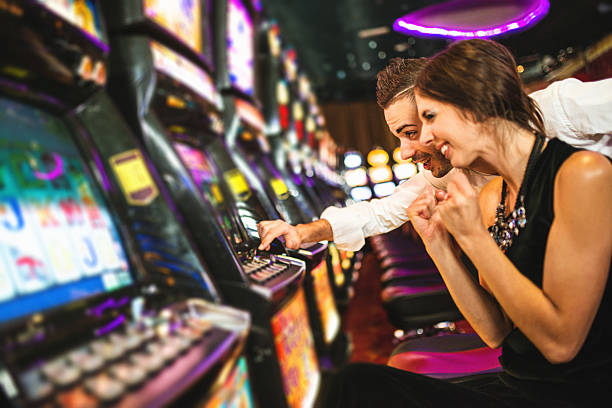
Additionally, the excitement of gambling can sometimes overshadow its risks. Players might underestimate the odds stacked against them, believing that luck is on their side. This cognitive bias can lead to erroneous beliefs about their chances of winning, causing them to engage more frequently in gambling activities. Over time, the reliance on the thrill of uncertainty can contribute to serious gambling issues, as individuals may prioritize the thrill over responsible gaming practices.
The Role of Social Influence
Social factors play a significant role in gambling behavior. Peer pressure and social norms can encourage individuals to participate in gambling, particularly in settings such as casinos or betting events. When individuals see friends or family enjoying themselves while gambling, they may feel compelled to join in, believing they will experience similar enjoyment. This social contagion can lead to a wider acceptance of gambling in various social circles, often blurring the lines between casual play and addiction.
Moreover, the social aspect of gambling can be an enticing factor. Many people enjoy the camaraderie found in casinos or online platforms, where chatting and sharing experiences can enhance the enjoyment. This communal environment can create a sense of belonging, making players feel more connected. However, it can also normalize excessive gambling behaviors, leading individuals to gamble more than they initially intended due to the influence of those around them.
Lastly, marketing strategies employed by casinos often exploit social influence. Promotions, advertisements, and bonuses can create a perception that gambling is a thrilling and acceptable form of entertainment. These marketing tactics can target specific demographics, appealing to desires for socialization and excitement. As a result, the blend of social factors and marketing can significantly affect individuals’ decisions to gamble, contributing to a culture of gambling that may be hard to resist.
The Illusion of Control
The illusion of control is another psychological trigger that compels individuals to gamble. Many gamblers believe that they can influence the outcome of games through skill or strategy. This mindset often leads to a false sense of security, making individuals feel they have a better chance of winning than the odds suggest. For instance, players may think they can predict the outcome of a slot machine or have strategies to beat the house in card games, despite the inherent randomness involved.
This belief can be particularly powerful in games that are perceived as skill-based rather than purely chance-based. For example, poker players may attribute their success to their abilities rather than acknowledging the luck involved. This misjudgment can make them more likely to continue gambling, as they perceive themselves to have an edge, reinforcing the cycle of play. Such cognitive distortions can lead to repeated losses, as the gambler continues to chase an elusive sense of control.
Moreover, the illusion of control can be exacerbated by near-miss experiences. When a player almost wins—such as hitting two out of three symbols on a slot machine—they may feel encouraged to continue gambling, interpreting these situations as signs that victory is just around the corner. This psychological phenomenon can create a dangerous loop, leading to increased gambling efforts despite mounting losses and deteriorating financial conditions. Awareness of this cognitive bias is crucial for promoting responsible gaming practices.
The Emotional Escape
For many individuals, gambling serves as an emotional escape from life’s stresses and challenges. The act of betting can provide a temporary reprieve from everyday worries, allowing individuals to immerse themselves in a world where their problems seem to fade away. This emotional refuge can be particularly appealing for those experiencing significant stress, anxiety, or depression, as it offers an avenue for distraction and even temporary relief.
Additionally, gambling can provide a sense of empowerment and control when individuals feel overwhelmed in their daily lives. The act of making decisions, placing bets, and strategizing gives players a sense of agency, contrasting sharply with feelings of helplessness that may accompany their personal struggles. However, relying on gambling as a coping mechanism can lead to a dangerous cycle, as the temporary relief often gives way to guilt or regret, further fueling emotional distress.
Lastly, the emotional rollercoaster associated with gambling—fluctuating between joy and despair—can reinforce the desire to gamble as a means of emotional regulation. Gamblers may seek to recreate the highs experienced after a win, viewing it as a path to happiness. Over time, this reliance on gambling for emotional stability can develop into a harmful addiction, as players find it increasingly difficult to cope with their emotions without turning to gambling.
Exploring Onlyspins Casino for Responsible Gaming
For those interested in exploring the gambling landscape, Onlyspins Casino offers a secure and engaging environment for players. As Canada’s premier online gaming platform, it features over 7,150 games, including slots, table games, and live dealer options. The website provides generous bonuses and emphasizes player security through advanced encryption technology, ensuring a safe gaming experience. Players are encouraged to engage responsibly, keeping in mind the psychological triggers discussed.
Onlyspins Casino also focuses on supporting players through its customer service, available 24/7 to address any queries or concerns. The site’s user-friendly navigation makes it easy for both new and experienced gamblers to find their way around. With a commitment to responsible gaming, the platform offers various tools and resources to help players manage their gambling habits effectively.
Ultimately, understanding the psychological triggers behind gambling is essential for fostering healthier gaming habits. By being aware of the emotions, social influences, and cognitive biases that affect their decisions, players can make informed choices and enjoy their gaming experiences while minimizing the risks of addiction. Onlyspins Casino aims to provide an exciting yet responsible gaming atmosphere where players can have fun while staying aware of their behaviors.